With a month until polling day, Victoria’s Liberals are promising to follow a Queensland law that is already being challenged in the High Court.
Victorians go to the polls on Saturday, 28 November, and after twelve years in opposition the Liberals have found their target: three words, two in English and one in Arabic.
Opposition Leader Jess Wilson has promised that a Liberal government would follow Queensland and outlaw “globalise the intifada.”
With the latest Newspoll putting the Coalition ahead 55–45 after preferences, this is no idle promise.
Ms Wilson told ABC Radio the chant “is inciting violence against our Jewish community.”
Victorians should ask three questions: what does it actually mean, who says it and what will a ban achieve?
What it means
“Intifada” is an ordinary Arabic word meaning “shaking off,” as a person waking up shakes off sleep. Its sense is awakening, which is why Arabic speakers use it for a people rising against an unjust burden. It has described Iraqi general strikes and Palestinian revolts against occupation.
The first intifada, from 1987, was largely made up of strikes, boycotts and refusing to pay taxes, though it wasn’t without violence. Those demanding a ban aren’t interpreting the word. They are rewriting it, taking the darkest chapter of one conflict and declaring it the dictionary definition.
No one bans the word “revolution” because some revolutions turned bloody. Arabic deserves the same courtesy.
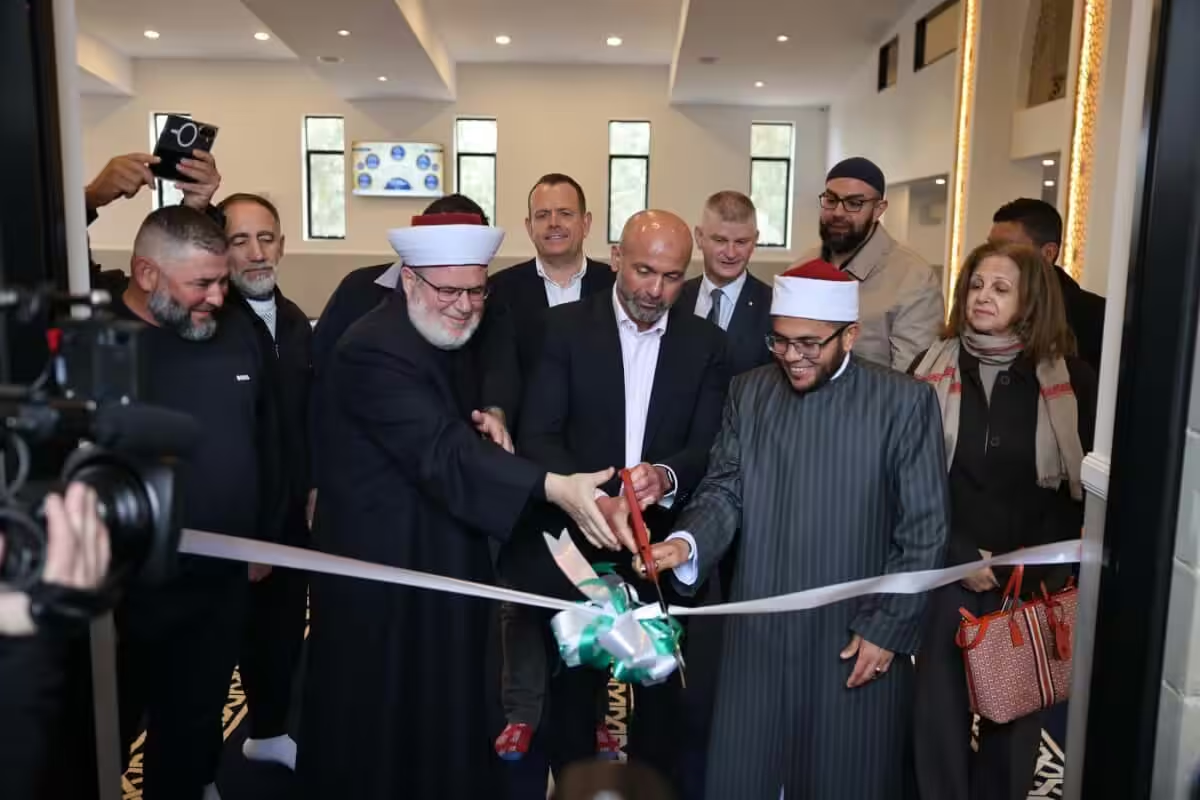
The Australian National Imams Council represents more than 350 imams. It told a NSW parliamentary inquiry that the word covers a range of resistance, including non-violent civil action and that its meaning depends on context.


ANIC called slogan bans “unnecessary, legally problematic and risks disproportionate impact on particular communities.”
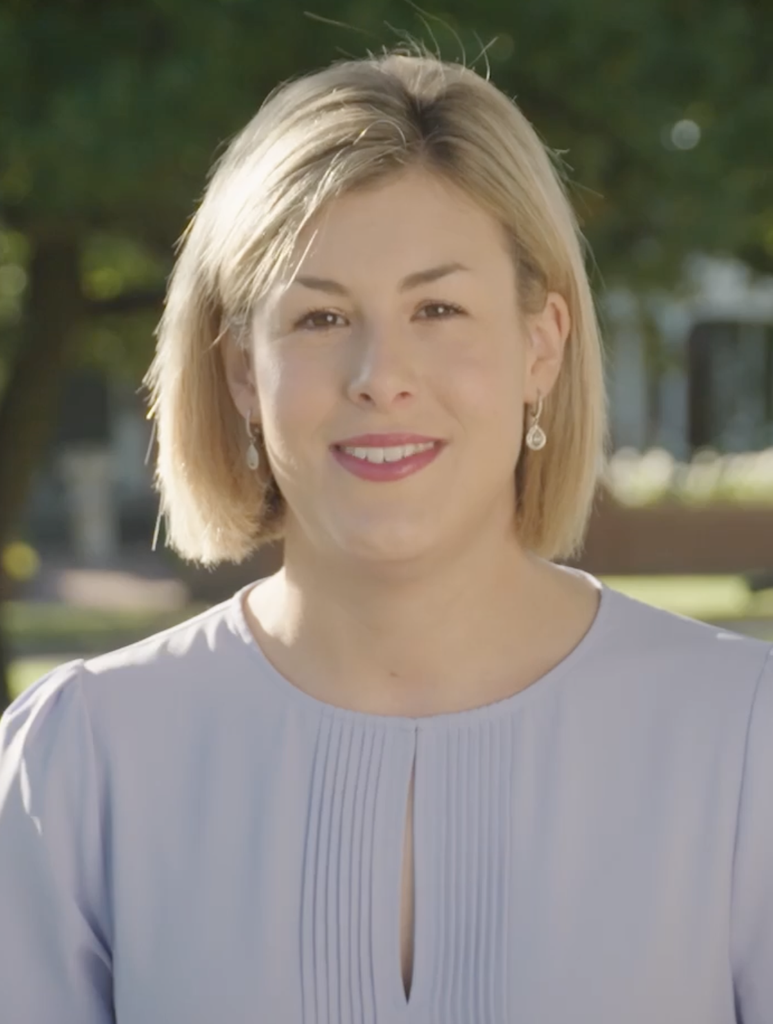
We Did Creative / Wikimedia Commons (CC BY 3.0)
Who says it?
Hardly anyone. Go to Broadmeadows, Lakemba or Logan. You won’t hear it at the masjid, and it is rare even at rallies. Public service unionists who march told the NSW inquiry it was rarely, if ever, used. A Christian ecumenical network said it had never heard it at any rally it had attended.
So who is the most famous person to use the phrase in Australia? Not an imam, and not a Muslim at all. It’s Grace Tame, the 2021 Australian of the Year.
When the nation’s best-known user of the slogan is a former Australian of the Year, the notion that it is Muslim code for incitement collapses. Yet it is our community that will carry the suspicion.
What Queensland achieved
Queensland Premier David Crisafulli presented his ban as a promise kept. “We called this out from the beginning, we said we’d act,” he said.
Queensland Jewish Board of Deputies president Jason Steinberg welcomed the message that “antisemitism and hate have no place in Queensland.”
Minaret Media agrees: hatred has no place anywhere. But look at the results. Queensland banned two phrases, “globalise the intifada” and “from the river to the sea.”
Using either in a way that makes someone feel menaced, harassed or offended now carries up to two years’ jail. Merely offended.
More than 30 people have been charged. Yet publicly reported cases have centred on “from the river to the sea.” Try as we might, we couldn’t find a single reported case of someone charged over “globalise the intifada,” the phrase Wilson wants to ban.
In Queensland, protesters have responded by singing the John Farnham ballad Two Strong Hearts, whose lyrics echo the second phrase. That’s how absurd it gets when parliaments try to police words.
Seven activists have taken the law to the High Court, arguing it breaches the freedom of political communication.
Even NSW Premier Chris Minns now says he will wait for the court’s ruling before acting.
Effectively, Jess Wilson is promising to copy a law that may soon be struck down.
We already have laws
If anyone, in any language, threatens or incites violence against any community, Jewish or Muslim, or any other faith or race for that matter, Victoria already has laws to deal with the situation and our community supports using them.
Libertarian MP David Limbrick warns that banning words sets a dangerous precedent and creates would-be martyrs. He points to the neo-Nazi who performed a salute outside the County Court days after that gesture was outlawed.
Jess Wilson says Jewish families avoid the Melbourne CBD on weekends. Fear is real, but you don’t cure it by jailing people for a slogan. You cure it by dealing with genuine threats and building trust between communities.
That takes a real plan, and a slogan ban is a much cheaper election promise. Muslim women abused on trams and frightened of the next similar episode are still waiting for that plan, too.
Australian Muslims mourned Bondi and condemned it without hesitation. But no rally chant caused it and no chant ban would have stopped it.
The Liberal Party’s own statement of beliefs names freedom of speech as one of the most basic freedoms of parliamentary democracy. Now it wants to jail people for vocabulary.
Victoria doesn’t need a law against words. A much better alternative would be a leader who can tell a threat from a sentence they dislike.
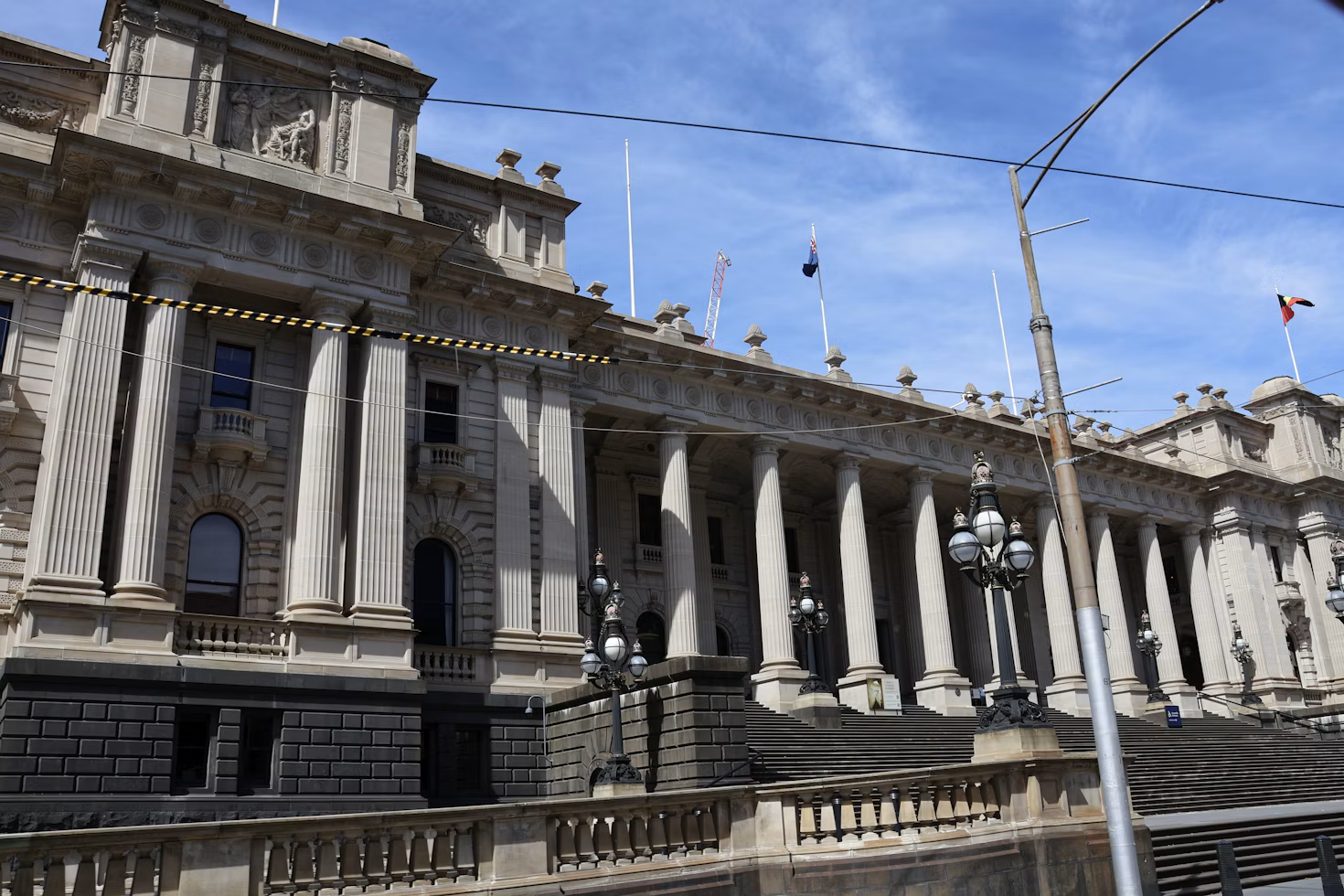
- Feature image: Victoria’s Parliament House on Spring Street, Melbourne