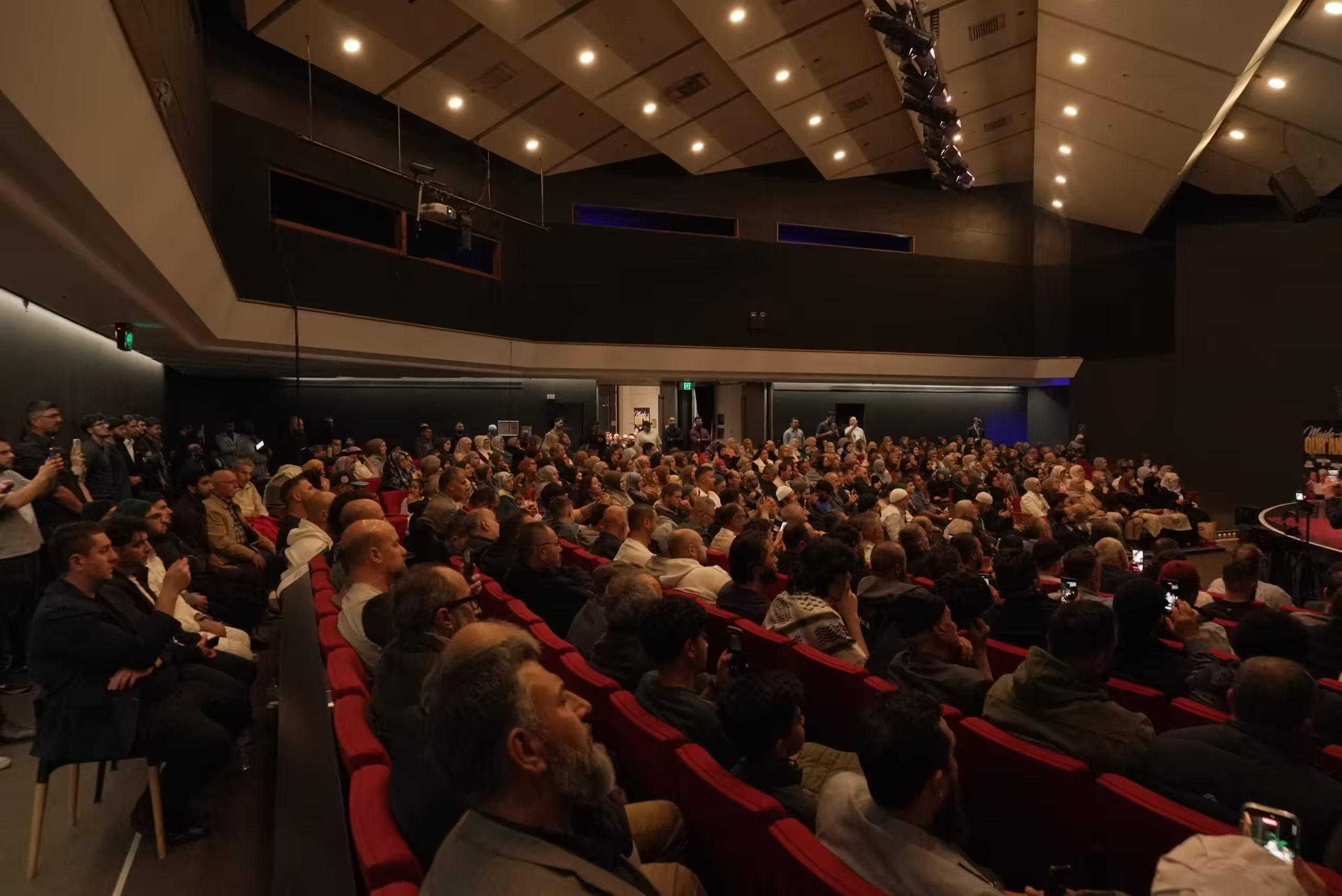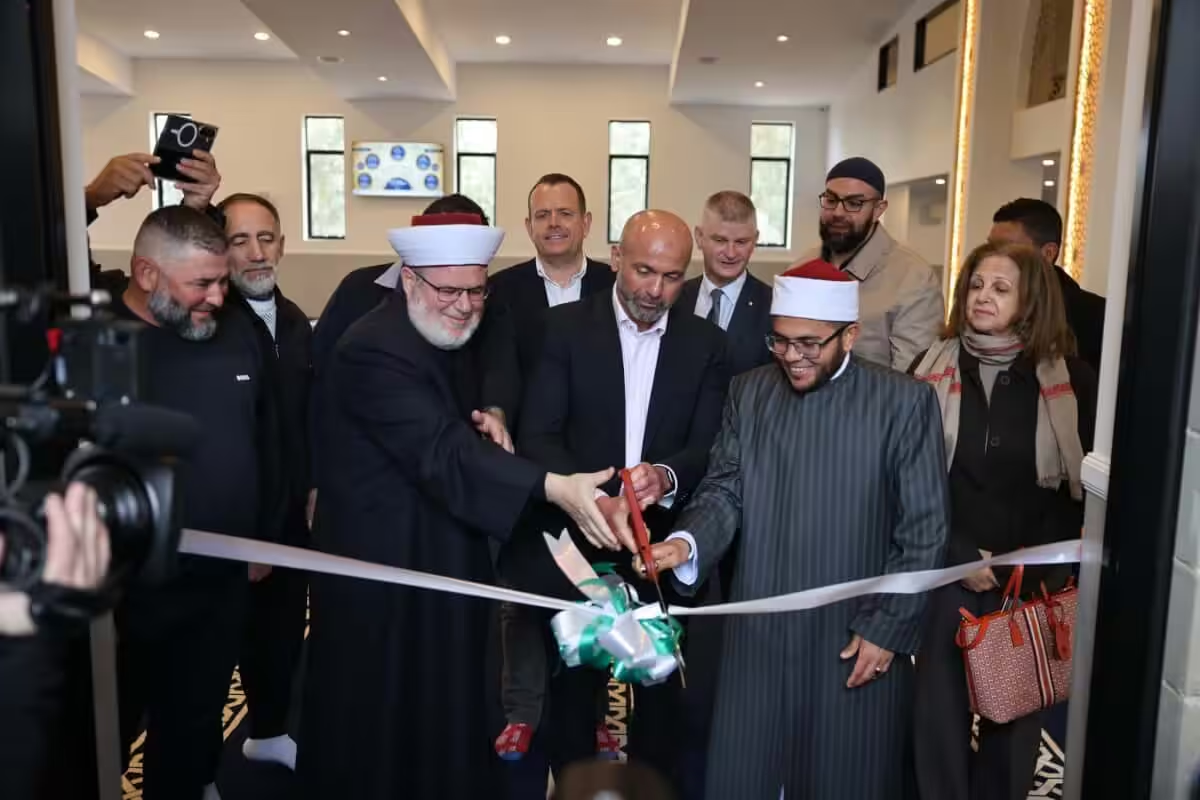
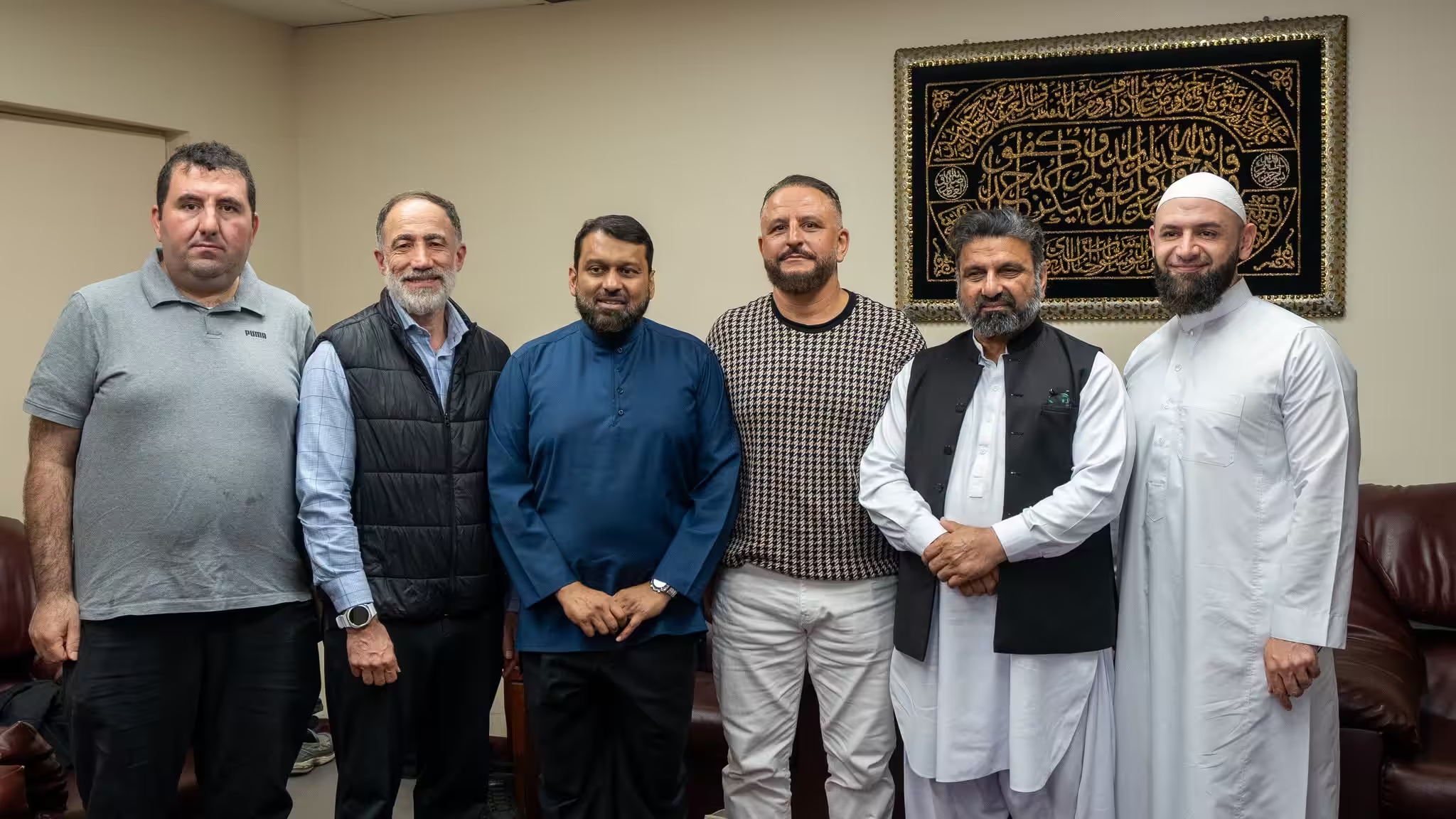
It is not enough, Dr Yasir Qadhi told worshippers at Lakemba Mosque on Friday, 2 October, for Muslims to simply condemn Islamophobia and injustice from the sidelines.
It’s up to every single Muslim – through character, generosity, family and faith – to live out the values of Islam so visibly and so consistently that their actions speak louder than the voices of hatred and misinformation surrounding them.
“Collectively, your actions will drown the voices of hate,” Dr Qadhi told the congregation.
That closing challenge capped off a khutbah that drew a huge turnout of worshippers to Australia’s most iconic masjid, as the community welcomed one of the most recognised Islamic scholars – and international speakers – in the English-speaking world.
Dr Qadhi was in Sydney ahead of his much anticipated appearance at the 2026 IFAM Convention at Rosehill Gardens.
The American-born Dr Qadhi built his khutbah around what he described as one of the most significant narrations in the Prophet’s seerah – the very first sermon delivered by the Prophet Muhammad (s) upon his arrival in Madinah, known as the Hadith of Salaam.
He reminded the congregation of an often-overlooked detail: when the Prophet (s) migrated to the city later known as Madinah, Muslims made up less than five per cent of its population.
“The Prophet (s) migrated to a community that was ninety-five per cent non-Muslim,” Dr Qadhi said.
“Muslims were a small minority when the Prophet (s) made hijrah.”


It was advice given, he said, specifically for a community “finding themselves not the majority” – a reality he noted was especially relevant to Muslims living in the West today.
The hadith, narrated by Abdullah ibn Salam – Madinah’s chief rabbi at the time, who converted to Islam after witnessing the Prophet (s) in person – records four instructions from the Prophet (s), with one promised reward: “O people, spread the salam, feed the hungry, be good to your families and pray at night when everybody is asleep. If you do these four, I guarantee you shall enter Jannah in peace.”
Dr Qadhi broke down each instruction as representative of a far larger principle.
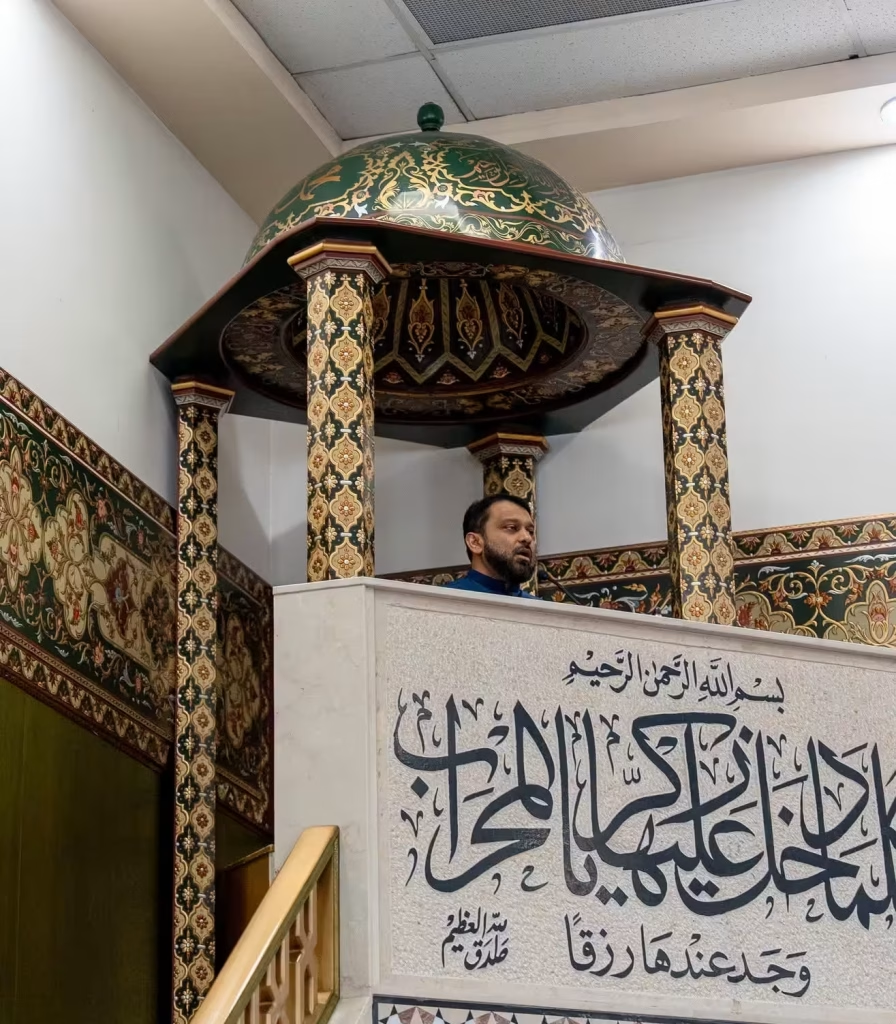
Spreading salam, he explained, was way more than just a greeting – it was a command to embody peace, compassion and good character in every interaction.
“When you say salamu alaikum… you are actually wishing them peace,” he said, lamenting that many Muslims say the words without living their meaning, while gossiping, backbiting or dealing dishonestly with others.
On feeding the hungry, Dr Qadhi was especially pointed, describing generosity to the needy as a universal obligation that transcends religion or background.
“Hunger is a universal human problem,” he pointed out, going on to criticise the Muslim community – including Western Muslims, speaking as “a visitor to your land” himself – for falling short of this standard.
“I believe we have failed in this basic Qur’anic message of feeding the hungry,” he said, adding that charity should never be performed for recognition.
“Feeding the hungry is not public relations for Islam….feeding the hungry IS Islam.”
The third principle, maintaining family ties, was framed as foundational to the preservation of faith itself.
“You cannot be a good person in public if your private family despises you,” Dr Qadhi said, urging worshippers to prioritise their households amid what he described as mounting pressure on the family unit in modern society.
Only after addressing character, charity and family did Dr Qadhi turn to ritual worship – an intentional sequence, he explained, meant to correct a common misconception.
“To be a good Muslim is more than just your prayers and rituals,” he told worshippers, stressing that character, social contribution and family responsibility are judged by Islam just as seriously as acts of worship.
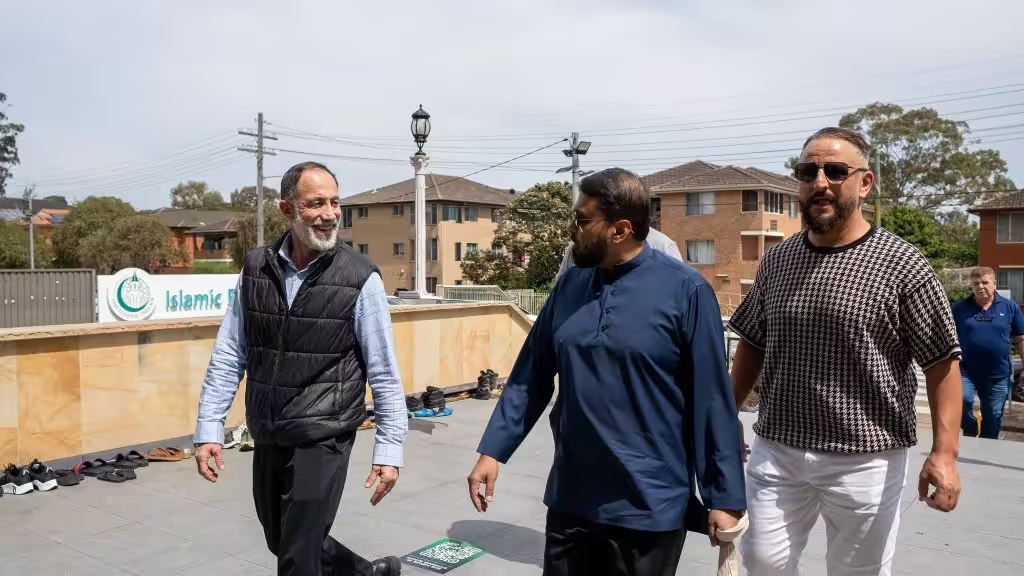
Turning to the present day, Dr Qadhi acknowledged the weight of rising Islamophobia and the suffering in Gaza, but urged the audience toward hope rather than despair, pointing to a growing wave of religiosity among young Muslims as a sign of strength.
He called on everyone listening to become visible ambassadors for their faith among non-Muslim friends, colleagues and neighbours – through honesty, kindness and genuine community involvement – rather than retreating inwardly.
- All photos courtesy LMA Creative Team.