Walk into a padel centre in Sydney’s south-west on any given night and you’ll hear it before you see it: the thud of ball on glass, the shouts of “nice shot, brother”, and the laughing and the banter between points.
Many of the players are young Muslim men, and the courts are booked out.
The game began by accident. In 1969; Mexican businessman Enrique Corcuera didn’t have room for a full tennis court at his Acapulco home, so he built a smaller one enclosed by walls.
Padel reached Spain in the early 1970s through Prince Alfonso of Hohenlohe, then Argentina, and the International Padel Federation was founded in 1991.
Saudi Arabia alone reportedly has well over 300 clubs!
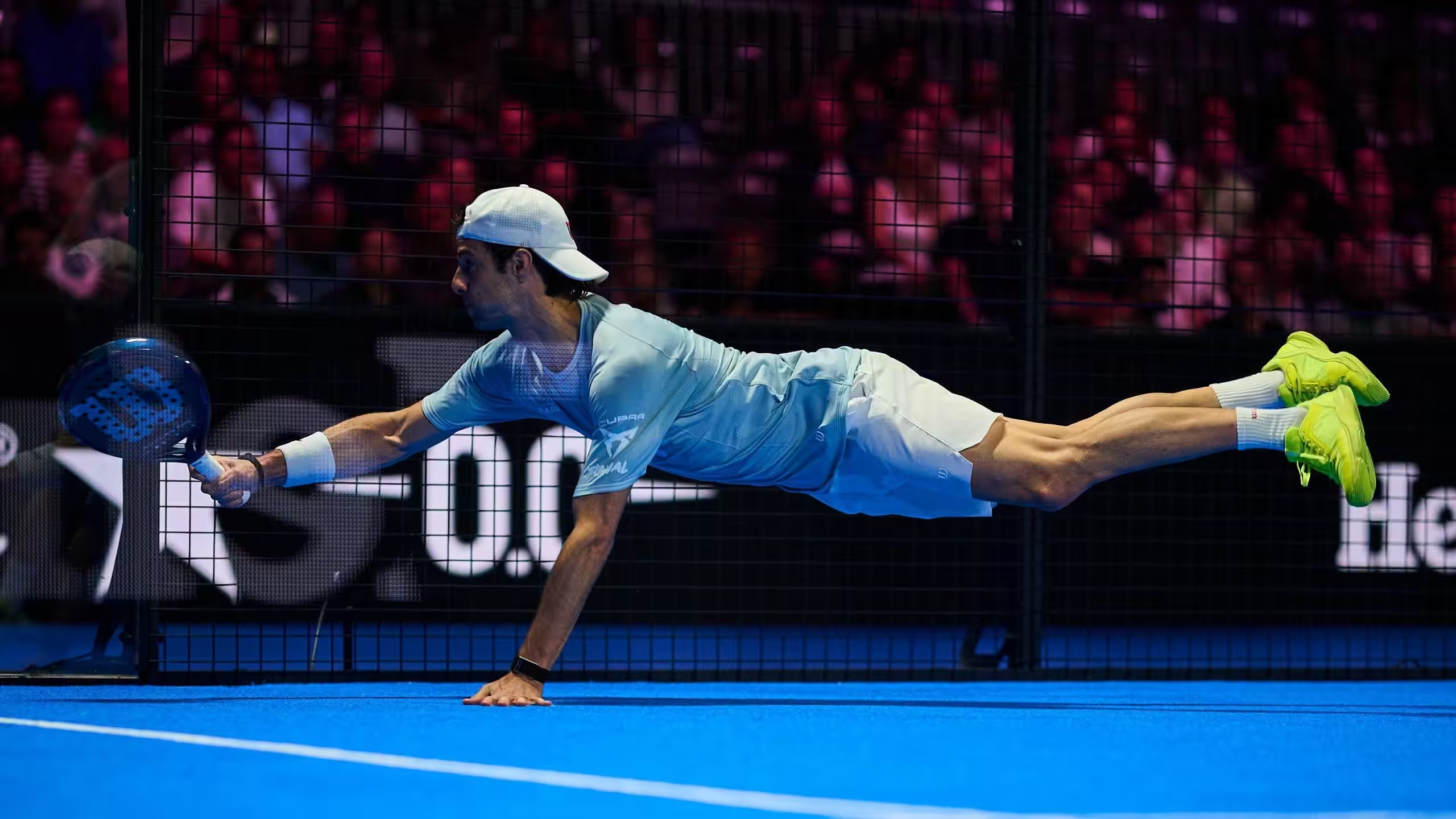
Australia is catching up fast. Venues now stretch from North Ryde to Bankstown, Greenacre and Minto – and this August a sold-out Padel Invitational at the Sydney Opera House featured Aussie tennis legend Pat Rafter.
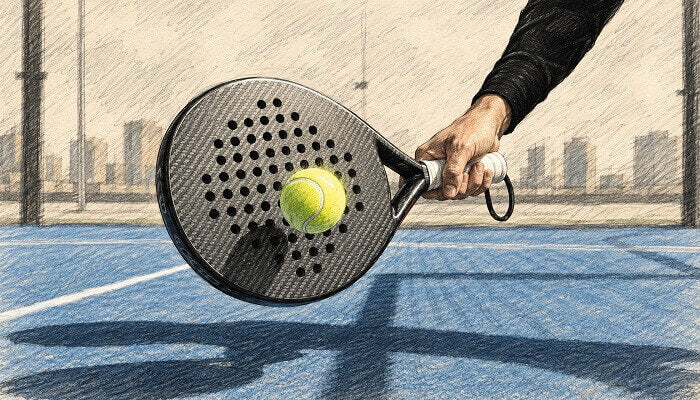
Padel is played in doubles on a court roughly a third the size of a tennis court, enclosed by glass and mesh walls that keep the ball in play off the rebound, similar to squash.
Matches are usually the best of three sets, with games scored the same way as tennis. The smaller court and underarm serve make rallies long and social rather than purely about power, which is part of why newcomers with no racket-sport background can pick it up quickly.
For Faz Rana, Deputy Principal at Unity Grammar College, padel started with a casual invitation.
“A friend of mine said, let’s go play this game called padel,” he recalls.
“I just went for a social hit at Alexandria, near the CBD.”
That hit, in December last year, turned into what Faz half-jokingly calls “an addiction that is long gone now.”
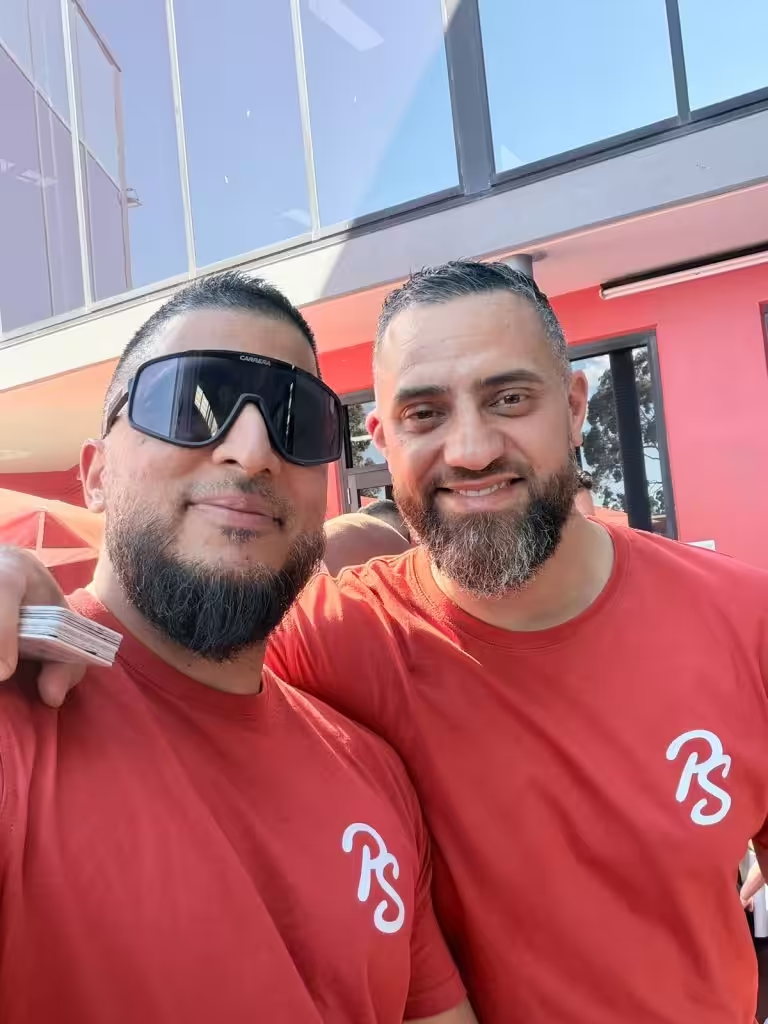
At the time of this interview, he had played more than 110 competitive games….and counting!
What keeps Faz coming back isn’t just the sport.
“You’re meeting different people, playing with different people, people that you would want to make time to see, but you just never have the time to see them,” he says.
“It’s the only time that you put your phone down.”
“You don’t even check your phone for an hour and a half, because you’re so absorbed in the game.”


Because games are booked and paid for through an app, commitment is built in.
“You commit on the app, you pay for your position, and then you have to turn up because you can’t cancel.”
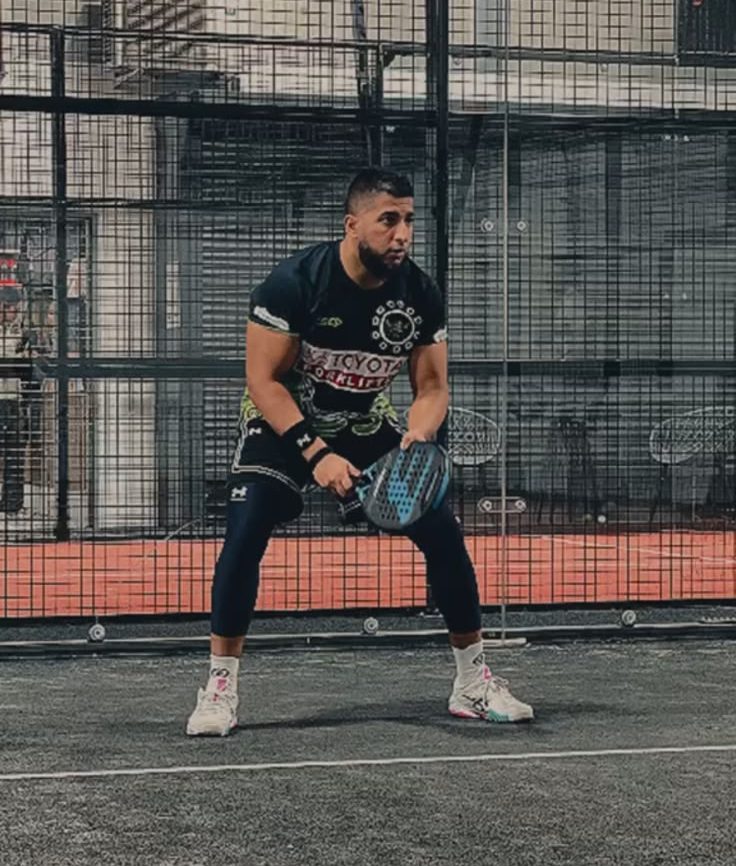
Faz plays two to three times a week, competing through Playtomic, which ranks players on a rating system from zero to around six or seven. He’s currently level three.
“The aspect of reaching the higher levels playing better players, learning from them, is part of the appeal,” he says, “along with the fact that anyone can pick it up regardless of their previous sporting background.”
“Some of the most outstanding players today had never heard of the sport until quite recently, but they committed to investing their time in padel.”
“I think that’s why it’s become very popular with the Muslim youth, because it’s a sport that anyone can play.”
It’s not only the brothers, either.
“It’s also popular amongst Muslim sisters,” Faz points out.
“A lot of courts are being built with private curtains so that the sisters can feel comfortable and can go to the courts and play in a safe space.”
Faz’s wife Jahida started playing just occasionally but now has her own racket and has joined Padel Spot Minto, where Faz is also a member.
The physical side of padel came as a surprise to Faz.
“If you get a good game in, it’s like being in a sauna,” he says.
“It challenges your every muscle, moving laterally, forward, jumping, reaching.”
“The next day you’re feeling the impact all over your body but it’s a ‘good’ pain.”
His time playing padel was integral to Faz in his preparation for the recent Tag World Cup in Coffs Harbour in which he represented quarterfinalists Lebanon.
His commitment to padel runs deep enough that he has genuine ambitions within it.
“I’m thinking, I want to go pro,” he says.
“That’s how much of an addiction it has become….obviously, a pro pathway is a stretch, but you never know.”
Faz sees a real connection between the sport of padel and Islamic values of strength, health and brotherhood.
“You can get the young brothers off the streets, from the wrong places and get them to be active – and engage in a sport where they can play with the circle of brothers they know,” he says.
He points to a padel day that ASWJ recently ran for local youth, combining games with reminders and prayer together.
At major tournaments in Sydney, Faz estimates that 70 percent of those entering are Muslim brothers.
But faith and family still come first.
“Prayer is the encumbrance of everything in a day,” Faz says.
“Your five daily prayers and everything should be around those prayers.”
He books games around work and salah, and often plays alongside friends from outside his area too, including his regular doubles partner Tarik Jeffcoat, whom he met on court and later partnered with in a tournament, reaching the semi-finals together.
“It gives you a sense of connection….they’re good people and we all learn off one another.”
Khaled Kamalmaz, a manager at the Lebanese Muslim Association, sees the same pattern in his own padel journey.
“As you get into your thirties and have family and work responsibilities, it becomes much harder to commit to the demands and schedules of team sports – and padel fills that gap,” he says.
“I actually look forward to playing, so exercise feels less like something I have to force myself to do.”
The flexibility of court bookings, often from 6am to midnight, means “we can choose a time that works around our jobs, family commitments and prayer times.”
“Most centres are understanding when players need to pray on site.”
For Khaled too, the friendships run deep.
“Through padel, I’ve made a lot of new friends from within the community whom I probably wouldn’t have met otherwise.”
And games with people outside the community happen naturally.
“You’re meeting people through sport who may previously have had very little social contact with Muslims, and vice versa.”
Faz Rana’s advice for anyone considering the sport is simple.
“Download an app like Playtomic, find a padel centre near where you live and take a few friends along,” he says.
“You don’t need any racquet sport experience.”
“And padel is one sport where age does not discriminate … .some of the best players are in their 40s and 50s.”
Faz offers a final shout out to his home club.
“Padel Spot Minto is an amazing community, with amazing people.”
“They look after everyone, and Brother Omar Tamer and his team are taking padel to the next level.”